
Published November 8, 2021
How Important Is a Home Office?

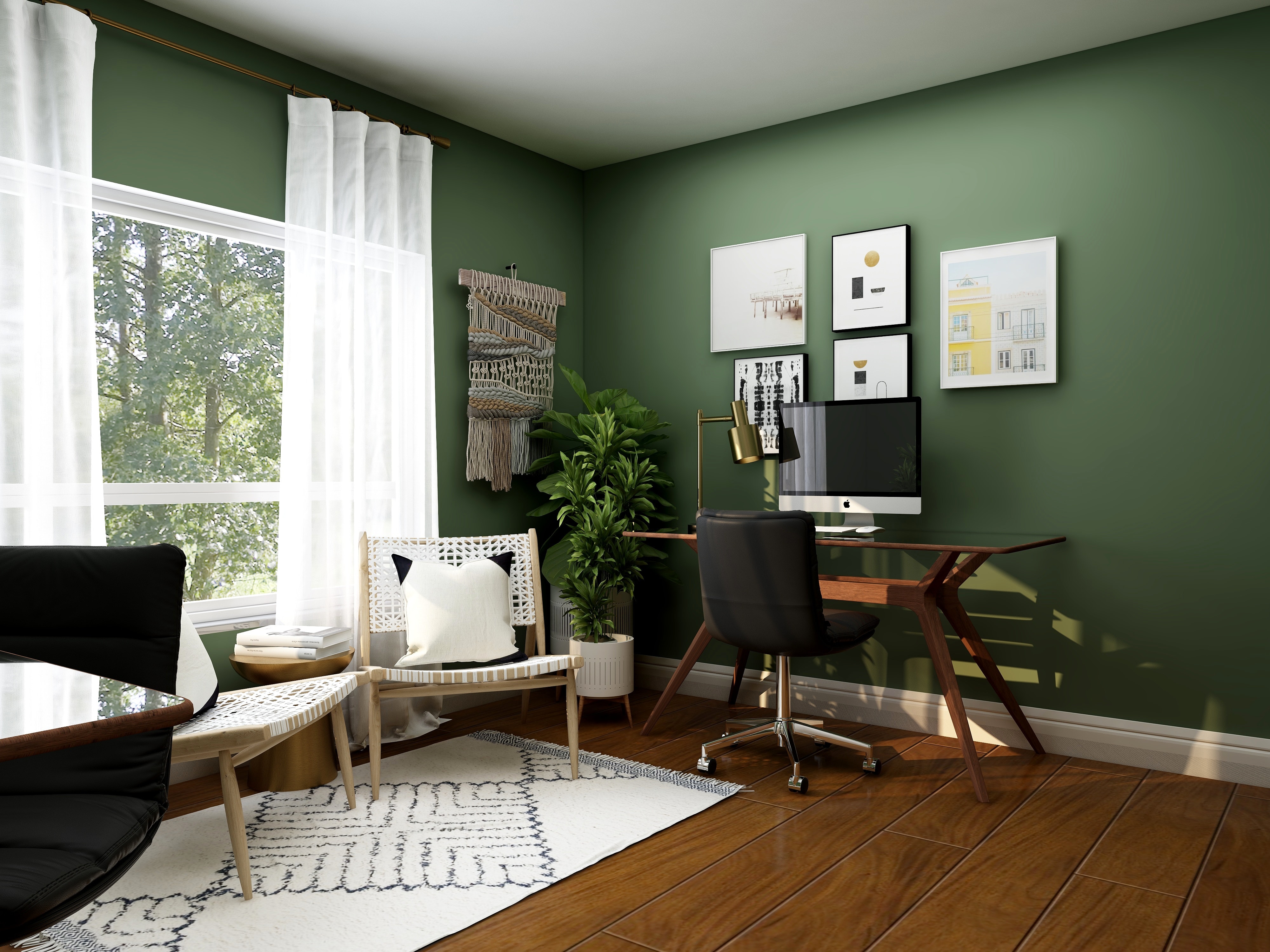
Today’s
buyers are willing to pay a premium for a home with office space.
As people spent more time in their homes the past many months, housing demand shifted to include the growing need to work from home, and the home office phenomenon seems to be more than a passing trend.
Sixty-three percent of home buyers seek a dedicated home office, according to the National Association of Home Builders, and 23 percent of these consumers say a home office is a “must have.”
Fifty-six percent of workers could do at least some of their job remotely, says research firm Global Workplace Analytics, and their prediction is “25-30% of the U.S. workforce will be working-from-home one or more days a week after the pandemic.”
Today’s buyers are willing to pay a premium for a house with an office, says money.com. Homes featuring an office sell for around 3.4% more than those without—amounting to a difference beyond $12,000 above today’s national median home price of $356,700 to $368,827.
And homes with offices sell nine days faster than those without office space.
Still, potential sellers should consider to what extent they are willing to set up dedicated home offices and plan accordingly. Remodeling for a home office yields an 87% return on investment, says millionacres.com, and sellers should factor in their neighborhood’s price point when researching the improvement—lower income areas will have lesser demand for offices.
Remodeling costs vary, but consumers can expect to pay $2,630-$7,800 to create an office space.
What should you consider when designing a home office? Buyers look for private, sunny offices, and care about the aesthetics of the space given the frequency of video conferences.
Other desired features include wide countertops, data ports, open shelves, USB charging outlets, and good internet connections.
Three final tips for designing efficient workspaces in the home, according to Houzz U.S. editor Anne Colby in Realtor Magazine, are:
•
Choosing
the correct location—spare bedrooms, dining rooms, dens, or even a shed in
the backyard can offer great potential for office space.
• Lighting is important—Bring in light from a variety of sources like overhead fixtures, desktop lights, and sunshine.
• Don’t forget ergonomics—Good furniture arrangement and planning where to locate computer technology will keep the space safe and efficient.
Post
authored by Lora Bray.
Check
out our reviews on Google
You can find us here on
Google.

Cathy Lacy
Broker-Owner | DwellHop Real Estate LLC
or another way